Showing posts with label spring food. Show all posts

Monday, May 21, 2012

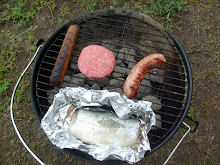
Super Easy Paprika and Spice Grilled Trout

Huge brook trout awaiting their fate!
As you may notice, I have been on hiatus from blogging, as well as cooking and musing about food because this spring we welcomed Matilda Mae into our lives and have been doing much more eating, feeding, and baby-cooing than cooking. Priorities have been focused on sleeping, drinking water, and just scrounging up something nutritious to eat rather than imagining up clever preparations or guilty pleasures. Raw veggies and store-bought hummus have been a staple in my diet these past few months and the only cooking I have done is using up fresh ingredients before they go bad but only if Daddy is around to care for our sweet precious. Such is the life of a new mother.  Every week I have been learning to accomplish a bit more than the last and I (now we) am(are) up and around NYC once again. Our little dumpling is turning 3 months this week and we are continuing to inch back into a routine of normal functioning (Our "new normal", that is!).

My in-house fisherman and future fisherwoman
My hard-working husband is finished for the semester with his intense MFA program and I am more than relieved to have him around and less stressed out. We have even made our way out of the city a few weekends and he finally got a fishing trip worked in after wishing for free time for months. We joined him, of course, so we could visit with family while we were up there.  Stream fishing is what he does and brook trout makes a regular appearance in my life and my kitchen. For years we just stuffed those suckers with onions and butter and grilled them (my husband's own recipe). We then began to beer-batter and fry them. Of course, that is tasty, but not the healthiest preparation and really greases everything up. Last week, when he and my father-in-law (also now known as PopPop) headed down to the stream, they returned home with 3 big ones and 1 really big one. Of course, I hadn't given any thought whatsoever to preparation and ended up improvising a not-so-basic marinade made of very basic ingredients I dug up in my in-laws' kitchen. This turned out so tasty I just made it again to finish off the rest of the trout for tonight.


Honestly, she seems more interested in the tutu than the fish...?

This marinade would be great on all types of fin fish and also would perk up chicken breasts nicely. It also works into many different menus. You can serve it with Asian or Latin-inspired sides or with traditional American sides, too.  Happy grilling season!


Super Easy Paprika and Spice Grilled Trout

4-6 Trout fillets (with skin on if grilling, deboned as much as possible)

MARINADE:
1/2 t garlic powder
1 T sweet paprika
1/2 t ground cinnamon
1/2 t sea salt
1/2 t freshly ground black pepper
3 T extra-virgin olive oil
1 T white wine or red wine vinegar
2 T fresh lemon juice
1/4 c orange juice
1 T honey

Crushed red pepper to taste (opt.)

Rinse fillets well and lay out on a plate or platter in a single layer. In a small bowl, whisk together marinade ingredients and evenly pour over fish fillets. Sprinkle with crushed red pepper, if you like. 

Grill skin side down on high heat for 5 minutes and do not turn. Trout is too delicate and you will lose it in the grill. If you need to cook it inside, just broil on high with skin side down on a broiler pan lined with foil for easy cleanup.

Serve with a fresh lemon wedge.

Tuesday, August 23, 2011

Mediterranean Bruschetta with Fava Bean Puree


If you are lucky enough to have a market that carries fresh fava beans in season, then be sure to pick some up when you see them. They are typically found fresh in June in the northeast, but are now available in cans and jars. There are even cooked favas in water in a vacuum seal pack at Whole Foods in the produce section so, while fresh is best, your fava season can be extended if you love them as much as I do. Fava beans have an earthy, green flavor that hold their own as an hors d'eouvre or are often seen sauteed and as an accompaniment to fish or chicken. They are fresh, bright green, and addictive.

Drain and rinse.
I bought a huge batch this spring and shelled, peeled (the tender, beany outer skins), blanched, and froze a bunch to extend my fava season. Unlike canned, jarred, or dried, they kept their perky green color and taste so fresh I thought they should be showcased on a baguette. Served with zucchini pancakes and roasted tomato sauce, this is a fantastic late-summer vegetarian/flexitarian meal or it's perfect as an appetizer.


Mediterranean Bruschetta with Fava Bean Puree

3-5 large cloves garlic, unpeeled
Cool roasted garlic before peeling.
extra-virgin olive oil (about 1/4 cup total)
1 1/2 cups cooked fava beans

Tuesday, June 28, 2011

Fried Green Tomatoes

Make it elegant and serve with creme fraiche and pea shoots.

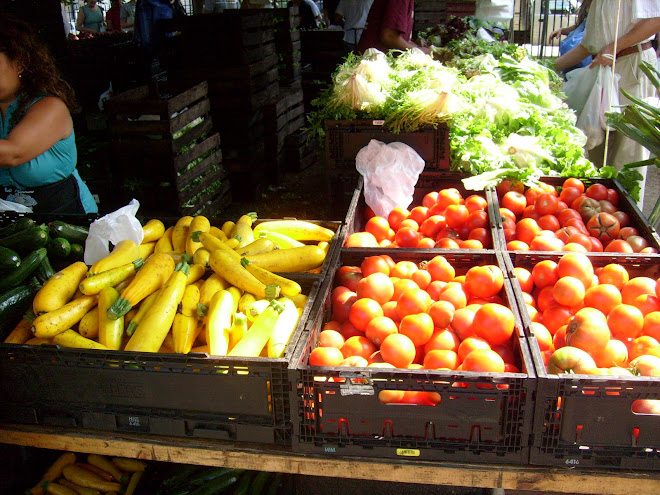
One of the great things about shopping for produce at the greenmarket versus the supermarket this time of year is the variety and abundance. Right about now, the purple, yellow, and red carrots are being pulled up for market and the varieties of summer squash are vast, ranging in color from pale, pale yellow to deep, dark green. Things you may have never even seen before are available and waiting to be tried. Soon there will be big bunches of dill flowers and hundreds of peppers in every shape, size, and color.
Commune cuisine at its finest!
This past weekend I was reminded of one of my Southern-inspired summer favorites--fried green tomatoes. The hard green tomatoes piled in a crate looking meek and lonely next to the fancy and exotic heirlooms wooed me with their simplicity and humble presentation. I filled a bag right away. Fried green tomatoes are a symbol of summer sun and relaxation to me. Served with some kale, and smoky vegetarian pinquitos beans and rice, these sour and savory morsels don't last long at my table.


Fried Green Tomatoes

10-12 firm, green underripe tomatoes (ripe, green heirlooms are watery and don't come out the same)
1 1/2 c yellow cornmeal
1 c whole wheat or oat flour (or corn flour for gluten-free)
One of those little buggers began to ripen overnight!
1 T Cajun seasoning (opt.but good!)
1 t garlic powder
1 t sweet paprika
1/2 t sea salt
1/4 t freshly ground black pepper

1 egg (opt.)
1 1/2-2  cups almond milk, soy milk, milk, or water

expeller-pressed canola/sunflower/safflower oil for frying (a cup or so)


I fried it anyway.
Wash and core tomatoes and slice into rounds about 1/3" thick. Set aside. In a shallow bowl or on a plate, combine cornmeal, flour, Cajun seasoning, garlic powder, paprika, salt, and pepper.

If using egg, whisk together egg with liquid in a medium bowl. Start with 1 1/2 and as you dredge and fry, add more liquid if you are running low. Without egg, just put the full 2 cups liquid in a bowl.

Heat a 1/2 inch of oil in a frying pan and set up a plate with paper towels for draining. When a pinch of flour sizzles, oil is ready. Dip tomato slices in liquid and dredge in the cornmeal mixture, creating a nice, thick layer. Place in the oil to fry. Continue until pan is full, but not overcrowded.

Fry for about 4 minutes, flip, then fry about 3 minutes more. Transfer to paper towels to drain and season with salt while hot. Fry remaining slices in batches. Dredging the upcoming batch while a batch is frying will save time.

Tranfer drained tomatoes to a warm oven, uncovered to keep hot.

Serve with hot sauce, ketchup, creme fraiche and pea shoots (my favorite), or mustard. They are great as sandwiches the next day, too.

Thursday, June 2, 2011

Chive and Lemon Zest Vinaigrette

salad of the season

It is really getting hot out there! The sun is starting to be downright sweltering. The a/c's are cranking and the parks are full of loungers.  Local veggies are starting to come into the markets and I'm getting  psyched for veggies to be overflowing onto my table every week! Salad season is upon us and I'm ready for some new salad inspiration.

To maximize the bounty of the season, focus on veggies as the main event on your dinner table. Choose colorful veggies that aren't necessarily considered salad veggies and toss or compose them with interesting greens and a simple delicious dressing.  Zucchini and crookneck squash are sweet and tender when fresh from the farm and are delicious raw. Tender, thin asparagus is wonderful chopped onto greens and soon, in-season corn will be tender and sweet enough to cut right off the cob into a salad for a sweet crunch.

Since it is still technically spring, you may need to blend greenmarket and supermarket veggies to make your salad. Maybe buy some arugula and Boston lettuce and toss with long carrot shreds, local herbs and asparagus. Before the sweet basil and pungeant herbs come in, let's take advantage of local chives and some organic supermarket lemons for a simple and delicious dressing that goes on almost everything. Top with toasted sunflower seeds for a seasonal, gourmet touch. Serve your great salad this hot, late-spring weekend and get seasonal!


Chive and Lemon Zest Vinaigrette

1 t garlic, grated on a microplane or finely minced
1/2 t finely zested organic lemon peel (on a microplane or grated and minced)
2 T Dijon mustard
2 T agave nectar
juice of 2 lemons (the one you zested and one more?)
4 T champagne vinegar (or white wine vinegar if you can't find it)
1/2 t sea salt
freshly ground black pepper
1/2-3/4 c extra-virgin olive oil
1/2 cup snipped chives


Set up a weighted and non-slip mixing bowl to mix the dressing. If you don't have a weighted bowl, fold a damp paper towel or work towel under the bowl so it won't slip.

Combine garlic, lemon zest, Dijon, agave nectar, lemon juice, champagne vinegar, sea salt, and black pepper in the bowl. Whisk it together using your dominant hand. With your other hand, slowly drizzle in 1/2 cup of the olive oil while you are whisking the ingredients. Taste for seasoning and add more sea salt, lemon juice, and olive oil to taste.  Fold in chives and dress your favorite vegetables.


Friday, May 6, 2011

Freshly Caught Rainbow Trout 2 Ways


Good old-fashioned brook trout has become a regular part of my spring ritual.  With a husband who can't stand to be in the city on opening day of fishing season, I have become accustomed to the excitement and drudgery of preparing freshly caught fish.  Wielding my sharpest knives, yesterday I dove into a tray of nine, that's right NINE rainbow trout, two of which were gigantic. With my Grandmas's beer batter in mind, I thought I would improve upon the recipe by adding Old Bay, cornmeal, and some other impromptu additions.

In the midst of filleting all those fish and prepping my batter, I notice how adorable a cut through the cross-section would be on such a small, light pink fish, so I tried it. Making little steaks seemed like a great experiment for my enthusiastic audience (husband and my parents) and also it was one less fish to fillet. The tiny fish steaks were cute but it was tough to remove all the rib bones, so beware and warn diners when you serve this. Nonetheless, I decided a little fish steak appetizer while I was battering and frying would be the perfect way to entertain myself and my family. Make these both and serve with a simple tomato-cucumber-green pepper salad.

Beer Battered Trout

1 room temperature beer
1 cup flour
1/2 cup yellow cornmeal
2 t Old Bay Seasoning
1/2 t garlic powder
1 t paprika
1/2 t sea salt
2 t agave nectar or honey
expeller-pressed canola or sunflower oil for frying
trout fillets, rinsed and bones removed


Mix ingredients together in a large mixing bowl, adding a bit more cornmeal if too thin or a bit more beer or water if too thick.  The mixture should be like a thick pancake batter.

Heat oil for frying. Put trout pieces into the bowl and gently mix so fish pieces are well coated with batter. Fry in batches and drain on paper towels.


Trout Steak Appetizers

1 5" bamboo skewer for each fish steak
a small trout cut into 1" thick steaks, with as many bones removed as possible
2 T tamari
1/2 t dried lemongrass
1/2 t dried ginger
1 clove garlic 
2 T extra-virgin olive oil 
1 t rice wine vinegar

Soak skewers in a bowl of cold water. Carefully remove rib bones from each fish steak. Rinse and set aside. Whisk tamari, lemongrass, ginger, garlic, extra-virgin olive oil and rice wine vinegar. Marinate fish for 30 minutes-2 hours.  Skewer each fish steak sideways and arrange neatly on the skewer.

Heat a saute pan on medium high. Sear fish 2 minutes on each side. Finish with fresh lemon juice and serve.


Thursday, March 24, 2011

Tapas Time--Artichoke-stuffed Tomatoes

eggplant deliciousness on bread topped with a quail egg and chive

I'm always thrilled when someone wants to go out for tapas.  I love tapas.  The various small bites of flavor are captivating and I love the entire experience.  I love having a huge variety and getting just a bite of everything.  I love many different tastes at one sitting.  Tapas are an excuse to have a bunch of really great snacks and call it a meal.  The process, the slow-down, the savoring of each bite, and the wine thrill me to no end.  Apparently tapas began in Andalusia  as something to place over your drink to keep the bugs out. There was always one bite served with every drink and the tradition evolved into a cultural experience.  Using the freshest, most seasonal stuff around at the moment, tapas can be anything prepared simply and seasoned properly.  Plating and presentation are important and go along with the slow eating, appreciation of each bite, and the savoring of the experience.

Fun for couples or groups of any size, tapas-style dining changes the pace of things and gets us to sit back and enjoy.  The Spanish dining philosophy of 'Eat When You Drink, Drink When You Eat' isn't lost on me.  I love following this rule and do it whenever possible or practical. 

Last weekend, when good friends were visiting from D.C. and we were needing a good spot to catch up, we did just that.

fresh anchovies, briny, sweet, steamed to perfection, and dressed with lemon

On a Friday night in Greenwich Village, we were expecting a long wait when we saw the jam-packed tapas bar over-flowing with diners.  As luck would have it, our 30-minute wait became about 10 minutes and we were seated at a tall 3-top in the front with a perfect view of the Bleecker St. bustle. 

the remains of my seared tuna and a cheese stick to beat all cheese sticks. . .artisanal Spanish cheese, breaded and fried
My friend, another Katie, wisely ordered everything from the specials board first.  We then  revisited the menu for a few last nibbles.  Kurt ordered the wine, the details of which I have lost, but it was fantastic, too.  Maybe a tempranillo?  Nonetheless, everything was delicious and we left happy, but not too stuffed, which is another perk of having all small bites.

Here is a recipe that I made up inspired by a traditional tapas recipe of stuffed tomatoes.  The old version is filled with breadcrumbs and aioli and are concasse'd (blanched to remove skin).  I like the skin and wanted to add the artichokes in as flavor perk. I kept going by adding almond meal and marcona almonds on top until Voila!  Artichoke-stuffed Tomatoes...


Artichoke-stuffed Tomatoes


1 pkg Campari tomatoes (or about 8-10 golf ball-sized tomatoes), cherry tomatoes could be a substitute
Sea salt and freshly ground black pepper
4 T extra-virgin Spanish olive oil
1/4 cup minced onion
3 artichokes, carved down to the hearts and squirted with lemon juice and diced (or 3 canned or frozen artichoke hearts, diced)
1 T dry white wine
1/3 cup whole grain bread crumbs
3 T almond meal or finely chopped almonds
3 T mayonnasie or Veganaise, whatever your preference
2 T freshly squeezed lemon juice
2 T freshly minced parsley
1/2 t Spanish paprika (sweet or hot)
8-10 Marcona almonds (or 8-10 regular almonds, soaked for a minutes in olive oil and a bit of sea salt)


Wash, dry, and prepare your tomatoes, by slicing off just the tops and setting them aside.  Gently scoop out seeds and pulp from the tomatoes with a small melon baller or a grapefruit spoon.

Preheat the oven to 400 degrees.

Oil a baking dish and arrange tomatoes upright in dish.  Lightly salt and pepper them and set aside.

In a saute pan, heat oil and cook onion for 2 minutes on medium.  Add garlic, stir one minutes, then add diced artichoke hearts and wine.  Cook on medium for 10-12 minutes, if using canned or about 20 minutes, if using fresh. When tender and fragrant, turn the heat up a little bit and add breadcrumbs and almond meal.  Season with salt and pepper. Let cool for a few minutes, then add mayo/Veganaise, lemon juice, and parsley.  Taste and adjust seasonings.

Carefully  fill tomatoes using a small spoon and mound filling a little over the top, if possible.  Top each with a light dusting of paprika and sink an almond into the top. 

Bake, uncovered, for about 25 minutes, or until browned and bubbly.  Beware to remove them if the almond begins to burn or if the tomatoes begin to collapse.

Let cool for 5 minutes and serve!

Tuesday, March 1, 2011

Lavender Syrup and the Promise of Spring

Lavender Syrup in the Making
Well, we have almost made it through this blizzard-y, windy, snowy, cold winter.  I refuse to invent one more creative use of cabbage or winter squash.  I have no interest in it.  I quit winter foods.  Some of my clients have been hitting the salad and green juice pretty hard and that is inspiring me to get in gear for the best food seasons ahead!   You know it's the beginning of March when you are craving alfalfa sprouts, crisp salads, and tomatoes that don't taste like styrofoam.  Since it is a bit premature to go greenmarketing and there is no good fruit or local leafy greens, I thought I would brainstorm with some dried lavender, still preserved from those far off sunny days that seem like a such a dream.

Lavender is a bushy plant that is most often used in candles, essential oils, teas, and potpourri.  It has a uniquely pungent floral scent that is unmistakable.  Lavender is also an edible plant and is probably most commonly used culinarily as a tea.  Great iced or hot, the strong flavor is best when diluted by black, green, or chamomile tea.  It is known as a stress-relieving and calming herb and good as a bedtime tea.

Using small amounts of lavender in baked goods, shortbread, marinades, salads, and as a vegetable seasoning is becoming more prevalent as lavender and other floral infusions have become trendy ingredients.  Another common use of fragrant culinary flowers is making a simple syrup infused with the flower, creating an aromatic syrup used in desserts and cocktails.

Here is a recipe for lavender syrup that is fantastic in a martini and exquisite over vanilla ice cream and lemon pound cake.  If you decide to try this out or cook with lavender, make sure your dried lavender is not sprayed with pesticides, organic, or approved for culinary purposes.  Some may be sprayed with un-food-safe chemicals, if not. 


Lavender Syrup

1/4 cup dried lavender buds
1 cup turbinado sugar
1/4 t sea salt


Combine ingredients in a saucepan and stir to combine.  Heat on medium-low until sugar is dissolved, stirring occasionally.  Let it cool for a few minutes, maybe 20?  Place a wire strainer over a large liquid measuring cup and strain the syrup into the measuring cup carefully.  Use on all vanilla or lemon desserts, bake with it and use as an extract, make fancy cocktails, or try drizzled on fresh fruit.  Store sealed in the refrigerator for 6-8 weeks.

Thursday, April 29, 2010

Creamy Asparagus Soup with Parmigiano Reggiano

If you are looking for a new ideas for asparagus, here is a great recipe for creamy asparagus soup.  The creaminess is the result of a puree, rather than a roux and heavy cream so it is light and healthy as well as tasty!  This is a great lunch or starter and freezes well if you don't get through all of it.  If you have zucchini or yellow squash lying around, dicing it and adding it in works really well, too.


 Creamy Asparagus Soup with Parmigiano Reggiano


¼ cup unsalted butter
1 onion, roughly chopped
2 cloves garlic, chopped
1 cup chopped celery
4 or 5 cups washed and roughly chopped asparagus (2 or 3 bundles)
2 cups peeled diced potato
2 T dried basil
1 t sea salt
Freshly ground white pepper to taste
6 cups vegetable broth
1 can cannellini beans, drained
1 cup crème fraiche or plain yogurt (creme fraiche is better!)
2 T freshly squeezed lemon juice


Melt butter in a large pot.  Add onion, garlic, celery, asparagus, potato, dried basil, and sea salt and pepper.

Cook until vegetables begin to soften and stir occasionally, 10-15 minutes.

Add broth and beans.  Bring to a boil, then lower heat and simmer 20-30 minutes.  Remove from heat and let cool a bit.

Add yogurt or crème fraiche.  Puree in batches until very smooth.  Taste and season with salt, pepper, and lemon juice.  Stir in freshly grated parmigiano reggiano just before serving. 


If you like to garnish, add a dot of creme fraiche to the top and maybe some pink peppercorns!


Wednesday, April 14, 2010

Baby Vegetable Fricassee

adorable baby leeks


Well, spring has officially sprung! All the adorable cute mini versions of vegetables are here! Check your regular supermarket, the farmer's markets, and the health food store and you are sure to come across some beauties! I served this alongside three-grain croquettes yesterday and offered it with shrimp skewers the night before. It is versatile and a crowd-pleaser!

If you find some baby veggies I haven't suggested below, get them and toss them in, too! I added fresh peas and a handful of snow peas here because I couldn't locate any baby zucchini quite yet. This is perfect for a spring-time side dish!


fresh baby corn outshines the canned stuff by a million!!


Baby Vegetable Fricassee
Inspired by a recipe from Miss Dahl's Voluptuous Delights: Recipes for Every Season, Mood, and Appetite 

1 Tbsp+2 Tbsp unsalted butter
3 baby leeks or Texas onions with the green tops, washed well and thinly sliced
1 clove garlic, finely minced
1/4 tsp+1/4 tsp sea salt
dash of white pepper
2 cups baby carrots, halved (or quartered, if they are huge)
1 1/2 cups fresh English peas
10-15 ears fresh baby corn, husked
1/4 cup+ 1 cup vegetable broth
handful of snow peas, trimmed at the ends
1 bunch enoki mushrooms, cut from main root/stem and gently rinsed
2 Tbsp unbleached white flour
dash of fresh lemon zest (literally just a quick grate or two)
1 tsp fresh lemon juice
2 Tbsp snipped chives


1. Melt 1 tablespoon butter in a large pan. Add leeks and garlic and cook for about 5 minutes. Season with 1/4 tsp salt and white pepper.

2. Add carrots, peas, and baby corn. Cook 5 minutes and add 1/4 cup vegetable broth or water. Cook partially covered for about 10 minutes, or until carrots and corn are tender. Add snow peas and enoki mushrooms. Toss and remove from heat.

3. In a separate small pot, melt remaining butter over medium-low heat. Whisk in 2 tablespoons flour to make a roux. Drizzle in 1 cup broth to make a thick sauce, whisking the whole time.

4. Pour sauce over vegetables in large pan. Stir. Add lemon zest, lemon juice, stir again, and taste for seasoning.

5. Serve warm with snipped chives on top.


Thursday, April 8, 2010

Workshop Vinaigrette


WooHoo! Salad Season!

It's getting to be salad season, so let's talk about salad dressings, shall we? While I like many of the 'healthy' dressings on the market today, I don't usually love them. Annie's salad dressings are a decent quick fix and I absolutely LOVE Galeo's Miso Caesar dressing, but those are really the exceptions. Maybe an occasional Paul Newman vinaigrette, but really Annie and Paul use some unhealthy and unnecessary ingredients, too. We can do better.


my favorite things


I prefer to whip up dressings on my own most of the time. (gasp!?!) 'Why would you ever do that?', you may ask. I like kitchen shortcuts as much as the next, but the truth is, once you start doing it, you can't go back. Fresh dressings are so much better than even expensive and gourmet bottled dressings. Read the ingredients on a Seven Seas or Wishbone dressing. It's really nasty stuff. Why are you bothering to even eat a salad if you are consuming all that corn syrup and refined soybean oil? It's tempting to have a soda and some onion rings and forget the salad altogether.

While it may seem like way too much trouble to make your own, it really and truly is worth it. Plus, you can adjust seasonings, herbs, sweetness, and oil content according to the type of salad you are dressing.There is a basic technique involved in a classic vinaigrette which I will go over below. Once you get the hang of that, you can add herbs, pureed fruit or veggies, substitute nut oils, and make just about any any other adjustments you can think of and always know what is in your food.

I like to make a decent-sized batch and use it all week, but you may like to try a new one each day, if you're feeling creative.


Classic Vinaigrette

The ingredients in classic vinaigrette are just what you would expect.

1/4 cup wine vinegar (acid)
1 Tablespoon Dijon mustard (emulsifier)
sea salt
freshly ground black pepper
1 cup extra-virgin olive oil

1. Place a mixing bowl to sit on a damp, folded towel or paper towel so it won't move around if you continuously whisk. (Some bowls have rubber bottoms and you don't need to do this step.)

2. Combine vinegar, mustard in the bowl, whisking together with your right hand if you're right-handed. Season with some salt and pepper.

3. Continue whisking with your right hand. With your left hand, drizzle in pre-measured oil slowly while whisking. As dressing emulsifies, continue until you have used all the oil.

4. Taste for seasoning with a bit of whatever salad the vinaigrette is for (lettuce, tomato, etc.) by giving it a quick dip and a taste. Serve room temperature. Divine.


I rarely do this very basic vinaigrette because I find way too many enticing things to toss in while I'm whisking. I almost always add about 1/4 tsp finely minced garlic and a tsp of honey or agave nectar. Fresh herbs, dried herbs, lemon zest, fresh orange juice, fresh lemon juice, soy sauce, honey mustard, whole grain mustard, rice vinegar, pureed roasted peppers, buttermilk, yogurt, cheese, scallions, parsley...see where I'm going with this?

When you add or substitute, just make sure the seasonings are whisked together initially, then the oil is drizzled in. Make sure there is always a bit of mustard to emulsify/combine the oil with the vinegar.

Last week I was on a lemon zest vinaigrette kick. I used about 1/2 tsp fine lemon zest and replaced the vinegar with lemon juice, adding only a splash of vinegar. I made it pretty sweet, using about 2 tsp agave nectar. It was served on baby arugula with raspberries and pine nuts. You wouldn't believe how addictive this is!! It is so good and perfect for springtime.

So this is your inspiration and now the rest is up to you. Go forward, salad lovers. Reduce that balsamic, zest that citrus, and dig through that spice cabinet. Be sure to post your creations!

Thursday, April 1, 2010

Scallops Provencal


Whether you are celebrating Easter, Passover, spring, or nothing at all, this is an elegant and tasty appetizer to enjoy this weekend. It serves about 4-6 as an appetizer. If you are bringing this to a holiday gathering, definitely double (or triple!) the recipe and cook in batches. It is so delicious you will want this one again and again!

I have changed some things from the original and like serving it with fresh lemon wedges.


Scallops Provencal
adapted from foodnetwork.com, Barefoot in Paris, 2004, by Ina Garten

1 lb fresh sea scallops
Sea salt and freshly ground pepper
A few tablespoons unbleached white flour
½ stick unsalted butter
½ cup sliced shallots
1 garlic clove, minced
¼ cup chopped Italian parsley
1/3 cup dry white wine
1 lemon, halved


Rinse scallops and pat dry thoroughly. Sprinkle with salt and pepper and toss with flour in a mixing bowl.

In a very large saute pan, heat 2 tablespoons of the butter over high heat until sizzling and add the scallops in 1 layer. Lower the heat to medium and allow the scallops to brown lightly on 1 side without moving them, then turn and brown lightly on the other side. This should take 3 to 4 minutes, total. Melt the rest of the butter in the pan with the scallops; then add the shallots, garlic, and parsley and sauté for 2 minutes, tossing the seasonings with the scallops. Add the wine, cook for 1 minute, and taste for seasoning. Serve hot with a squeeze of lemon juice. Serve with fresh lemon wedges.

Saturday, March 13, 2010

Foraging with the Wild Man


My treasures from foraging in Prospect Park


Ready to Forage!

Foraging with 'Wild Man'. It's something that has interested me since I first caught wind of it a few years back. Steve Brill, botanist and self-proclaimed forager, lives in Westchester and offers foraging exhibitions in local parks and wildlife areas in New York, Connecticut, and New Jersey. It is his business, but clearly also his passion. His vast knowledge of wild plants and sense of humor combined makes the tour not just any old walk in the park. On these outings, he identifies and gathers wild and native edibles that are found growing in our public spaces and offers advice on their uses and recipes, as well.

Such a beautiful day in Brooklyn!

For those of you who know that I live in New York City, this may sound like a joke--what would I forage to eat in NYC? Rocks? Birdseed? Old bagels in trash cans? Probably, but all it took was a quick call, a desire to spend the day in the one of our many urban green spaces like Central Park or Prospect Park, and $15 to the Wild Man (and an ambitious foraging buddy--thanks, Sarah) and I was foraging real edibles!!

Flowers are popping up everywhere!

I was shocked and amazed at how many things are already growing in the chilly northeast in early March. Some forage-able items were year-round like things that came from trees, but we managed to find a good amount of tiny, tender green sprouted leaves of various sorts and even spotted some tiny early enoki mushrooms.

Witch Hazel in it's purest form!
I love the contrast of Brooklyn buildings in the background here.

As we entered the Prospect Park, immediately someone in the group spotted green! We had come upon chickweed popping up all over the hillside right at the Grand Army Plaza entrance! It was freshly sprouted and tiny, but it was there! Then we came upon such a beautiful tree-like shrub unlike any I had grown up with. Despite being somewhat un-usable to the amateur forager, this witch hazel tree was still such a sight to behold amidst the still bare branches that it was nestled among.

The Wild Man himself

As we hiked and noticed plants and green sprout-y things, the Wild Man would identify edibles and assist in finding enough for everyone in the group to take home, when appropriate. It is worth noting that in plants that need their greens to regenerate, he would identify and discuss the plant, then instruct us not to take them for the sake of their survival in the park. He also entertained the group with plant-inspired stories and played his instrument, the "Brillophone", which was apparently invented by his father and involves air moving through a round mouth and clapping cupped hands--you have to see it to believe it. At lunchtime, we stopped to munch on whatever snacks we brought along. He was generous and shared some delicious sour rye bread that he made by harvesting wild yeast from the air and fruit leather that was so delicious that he made from oliveberries in Central Park. Yep, this guy was a character, alright. All in all, it made for a fun and satisfying day. Check out Wild Man Steve Brill's website for booking a foraging day, ordering books, or just checking out his delicious vegan recipes featuring foraged ingredients. http://www.wildmanstevebrill.com/

Align Center
Northern Bayberry Leaves

Here are some other things we foraged and their uses:

Gingko nuts: about the size of acorns and can be roasted and eaten. They had an interesting flavor to rice or salad that tastes like a combination of green peas and Limburger cheese. Whoa, right?

Daylilies: have a flat shoot and are light green in color. Has a string bean taste with a mild onion bite. The tubers are also edible and taste radish-y. Both are great in stir-fries.

Garlic Mustard Greens: beautiful tiny leaves that look like heart-shaped mint leaves. They have a fresh garlic bite and the wild man recommends making pesto with them.

Kentucky Coffee Tree: huge green pods the have big beans in them. The recommended usage is roasting the beans and grinding them. Then, making a hot chocolate-type beverage with soy milk, carob chips, cocoa powder, soy lecithin, stevia, and a bit of orange extract.

Common Spice Bush: a large bush that has fragrant twigs that are reminiscent of allspice. Can be used in sweet or savory dishes.

Black Birch: a tree with wintergreen flavored twigs that offer a mild aspirin-like effect. Apparently, aspirin is derived from elements from this tree. The twigs make a nice minty tea, but also are the best for teething babies since they have a pain killer effect.

Northern Bayberry: leaves of this tree were dried, but still hanging on. They are the native, wild version of bay leaves.

Mugwort: powerful Chinese herb

Common Thistle: cook in soup/smells like parsley

Sassafrass: the tree that is used in the making of natural root beer, has medicinal uses, as well


Garlic Chives were everywhere!

Wild Salmon and Asparagus with Garlic Chives

4 6-8 oz wild salmon fillets, rinsed and patted dry
2 T white wine vinegar
1/2 t minced garlic
1 T Dijon mustard
1 T extra-virgin olive oil
1/4 t sea salt
1/4 t freshly ground black pepper
1 bundle thin asparagus stalks, trimmed and/or peeled at the bottom
1/4-1/2 cup snipped garlic chives (regular chives work if you can't find them!)
1 lemon, cut into wedges


Place fillets in a shallow bowl. Mix vinegar, garlic, Dijon, oil, salt, and pepper in a small bowl and reserve half of the mixture. Pour other half over fish. Cover and chill for 30 minutes to 6 hours.

Preheat oven to broil and line a broiling pan with foil to prevent a mess. Toss asparagus with reserved marinade and transfer to lined broiling pan. Remove fish from marinade and pat fillets dry. Arrange on lined broiling pan and sprinkle generously with snipped garlic chives.

Broil 8-10 minutes or until fish is just done in the center. This is approximate and depends on the thickness of your fillets and also on your oven. Serve immediately with lemon wedges.